Why is it so hard to let go of sentimental items?
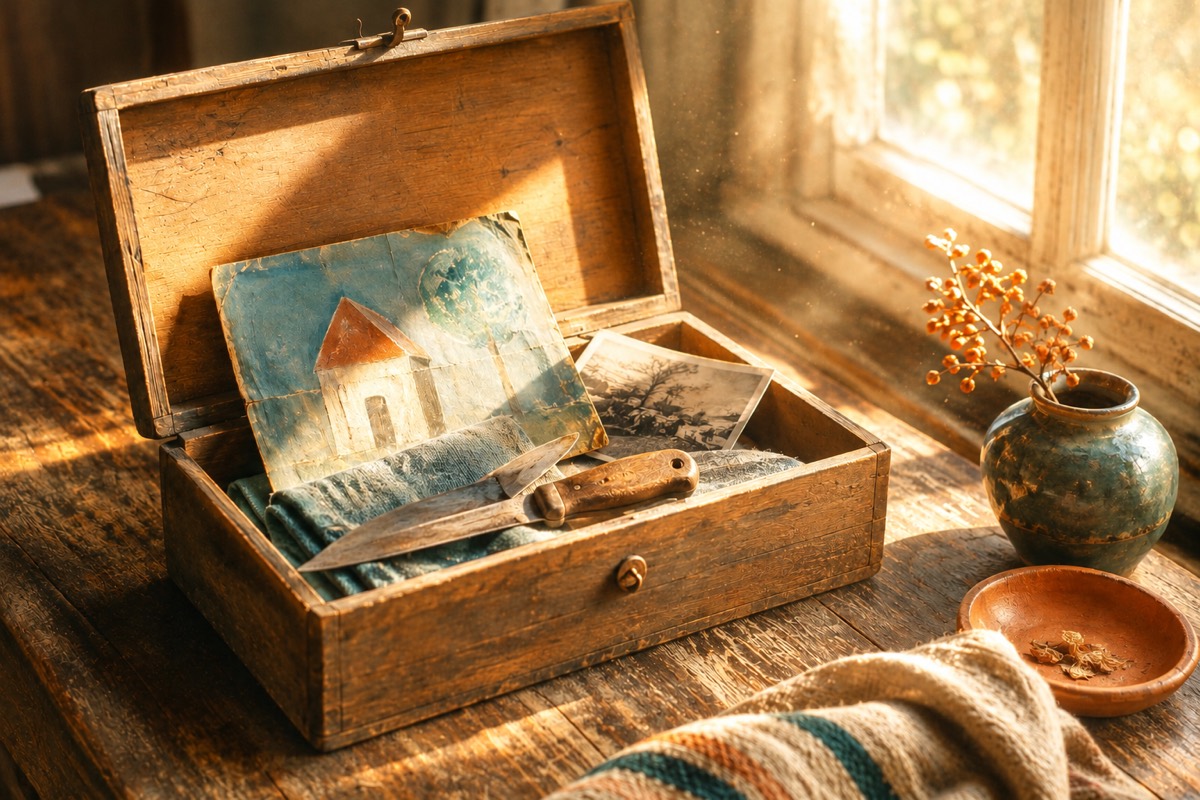
You can throw out the junk mail and the dried-up pens without a second thought. Then you pick up the birthday card, the child's drawing, your mother's dish, and your chest goes tight over an object you don't even use. It's confusing, because you know it's just a thing. But it was never just a thing. Each of these is a doorway, a way back to a person you love or a moment you can't reach any other way. That's why it's so hard, and why the usual decluttering advice slides right off. The real question in front of you isn't do I need this. It's who am I now, and which doors do I still want to walk through. Let's take it gently, because this is tender work, and you are not doing it wrong.
It was never really about the object
When your chest tightens over something small, a poster board a grandchild made, a ticket stub, a chipped mug, that's the sign you've reached one of the tender ones. I once held a piece of art my grandson made years ago, no Picasso, just some colors on a board, and letting it go felt for a moment like letting go of him at that age, and of the whole afternoon he handed it to me, proud and certain I would love it. The board wasn't the point. It was a door I could walk through to a moment I loved. That is what makes these things so heavy. You're not sorting objects. You're standing at a row of doors, and each one opens onto a piece of your life.
This was never clutter
It helps to say plainly what you're not dealing with, because the confusion itself adds weight. Clutter is easy. The junk mail, the broken gadget, the pens that dried up two years ago. Tossing those might be tedious, but it doesn't cost you anything. There's a gray zone too, the waffle iron you used twice, the dress that might come back around, and even that is only a puzzle, not a grief. The things that stop you cold are a different species entirely. They're the doorways, and no amount of tidying advice touches them, because the work they quietly ask isn't organizing the house. It's deciding who you are now.
Why the box feels impossible to finish
There's a reason you open the box and close it again with nothing done. Open a box with twenty keepsakes in it and you don't have one decision in front of you. You have twenty, and each one costs you either way. If I let this go, it's gone, and gone doesn't come back. If I keep it, where does it live, and what does it crowd out. Twenty small goodbyes, stacked on top of each other in a single sitting. No wonder you close the lid. That isn't weakness or avoidance. It's a heart doing the math on how much loss it can carry at once, and deciding, wisely, not to carry all of it today.
The ones worth keeping
Not everything in the box is holding you back, and this is where "just get rid of it" gets it wrong. I kept an old kitchen knife from when I was a girl, the one I chopped celery with for the Thanksgiving dressing, year after year. I don't need another knife. But that knife is one of the few doorways I have left to the good parts of a childhood that, from where I stand now, looks mostly not good. I'm not guarding a utensil. I'm guarding a lit window into the rooms of my growing up that were kind. If you've ever kept something useless you couldn't explain to anyone, this may be why. It opens onto a warmth you can't reach any other way. That kind of keeping isn't hoarding. Keep it, and keep it on purpose.
The memory doesn't live in the object
And still, you can't keep all of it, and neither can I. A full life cannot keep every room lit at once. This is the one thing that has ever made my own box feel lighter. The Thanksgiving is not in the knife. The afternoon my grandson handed me that board is not in the board. If those moments really lived inside the objects, then losing the object would lose the moment, and the fear would be exactly right. But they don't live there. They live in you, in the part of you that was lit before any of this arrived and will still be burning after it's gone. Some of us trust they're also held by a God who forgets nothing and loses none of it, far more safely than any cupboard ever could. Either way, the memory was never stored in the thing. It can't be given away by accident. It doesn't end up in the donate pile.
The real question is who you are now
This turns the whole box into a different question. It stops being about whether you have room for the thing, and becomes about who you are now, and which parts of who you were you still want to greet every time you pass them on the shelf. Some of what you're holding is life-affirming. It keeps a warmth alive, reminds you that you were loved, that you belonged, that you mattered. That's a root, and roots feed the tree. And some of what you're holding is doing something quieter and heavier. It keeps you turned around, facing backward toward a version of yourself who has already had her turn, sitting in the very spot where the next thing was meant to go. So the honest question for each doorway is this. Does it keep me alive, or does it keep me looking back. You get to keep every door that still lights you, without one ounce of guilt, and you're allowed to close the ones that quietly drag you down.
You were not meant to do this alone
Deciding who you are now, over a box on the floor, is deeper work than any organizing show makes it look, and it's harder while an old voice insists you should be able to do it faster, or that keeping things at all means you're failing. It helps more than I can say to have someone in your corner, not to hand you a system for your closets, but to hold a clear picture of the woman you're still becoming while you sort what feeds her from what holds her back. There's no weakness in wanting that. It may be the bravest thing you do.
In the meantime, do the next small thing, and make it small on purpose. Not the whole box in one heroic afternoon that ends with you on the floor. Three things. Just three, today. Keep the doorways that still light you, set down three that keep you facing backward, then close the box and know that you are not behind. You don't have to hold it all to keep yourself. You were never in the things to begin with. The pile is not the truth about you, and it never was.
Frequently asked questions
Why is it so hard to get rid of sentimental items?
Because they aren't really objects to you, they're doorways. A card, a drawing, a dish can carry you straight back to a person you love or a moment you can't reach any other way. Letting the object go can feel like losing the moment, so ordinary decluttering advice slides right off. It was never about needing the thing.
Is it normal to feel guilty throwing away sentimental things or gifts?
Completely normal. Guilt shows up because the object stands in for a person or a time you loved, so setting it down can feel like a betrayal of them. It isn't. Keeping every gift forever was never the measure of your love, and letting one go doesn't erase the person who gave it.
How do I let go of sentimental clutter without losing the memory?
Remember that the memory doesn't live in the object, it lives in you. The Thanksgiving isn't in the knife, the afternoon isn't in the drawing. You can photograph the item, keep one piece that stands for the rest, and release the others, and the moment stays exactly where it always was, safe inside you.
How do I start decluttering emotional items when it feels overwhelming?
Do just three, today. Open the box, choose three things that keep you facing backward, set them down, then close the lid. You don't owe the whole box one heroic afternoon. Three small goodbyes at a time isn't failure, it's a heart pacing itself through loss, and you are not behind.
A weekly letter for the woman you're still becoming
Every week I write to women coming back to life in their third act, with real stories, the quiet science of aliveness, and faith and honesty held in the same hand. If this reached you, come join me. I'd love to keep walking with you.
Join the weekly letterKeep the doorways that still light you. Set the rest down gently, a little at a time. The pile was never the truth about you.
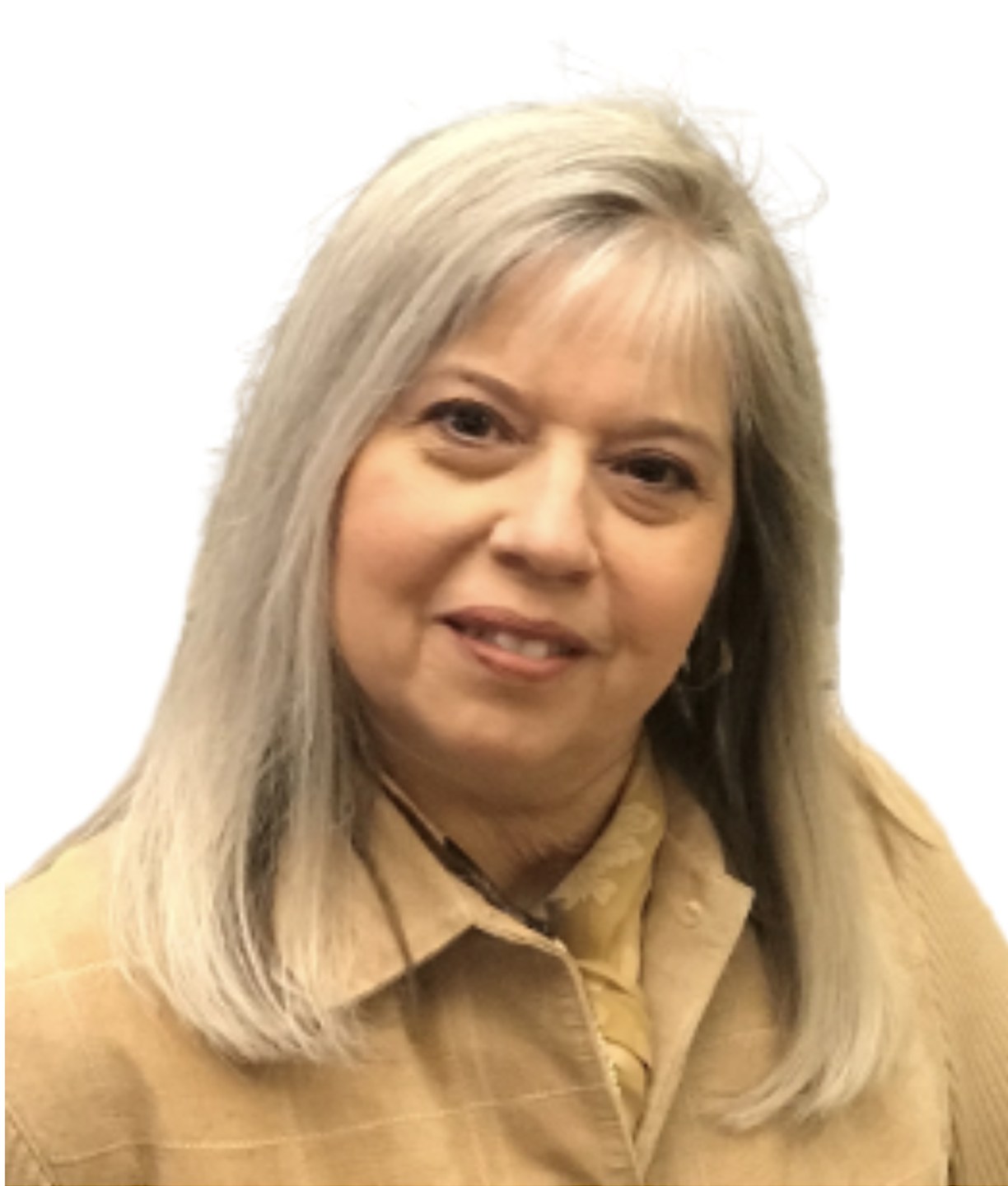
Coach and author for women in the third act of life, holding faith and consciousness in the same hand. Master's in Social Work, degree in Psychology, HeartMath trained, and nearly five decades engaged with the science of change. She writes about outgrowing the aging default and coming home to a wholeness you already belong to. Meet Kristin