Why can't I feel joy anymore?
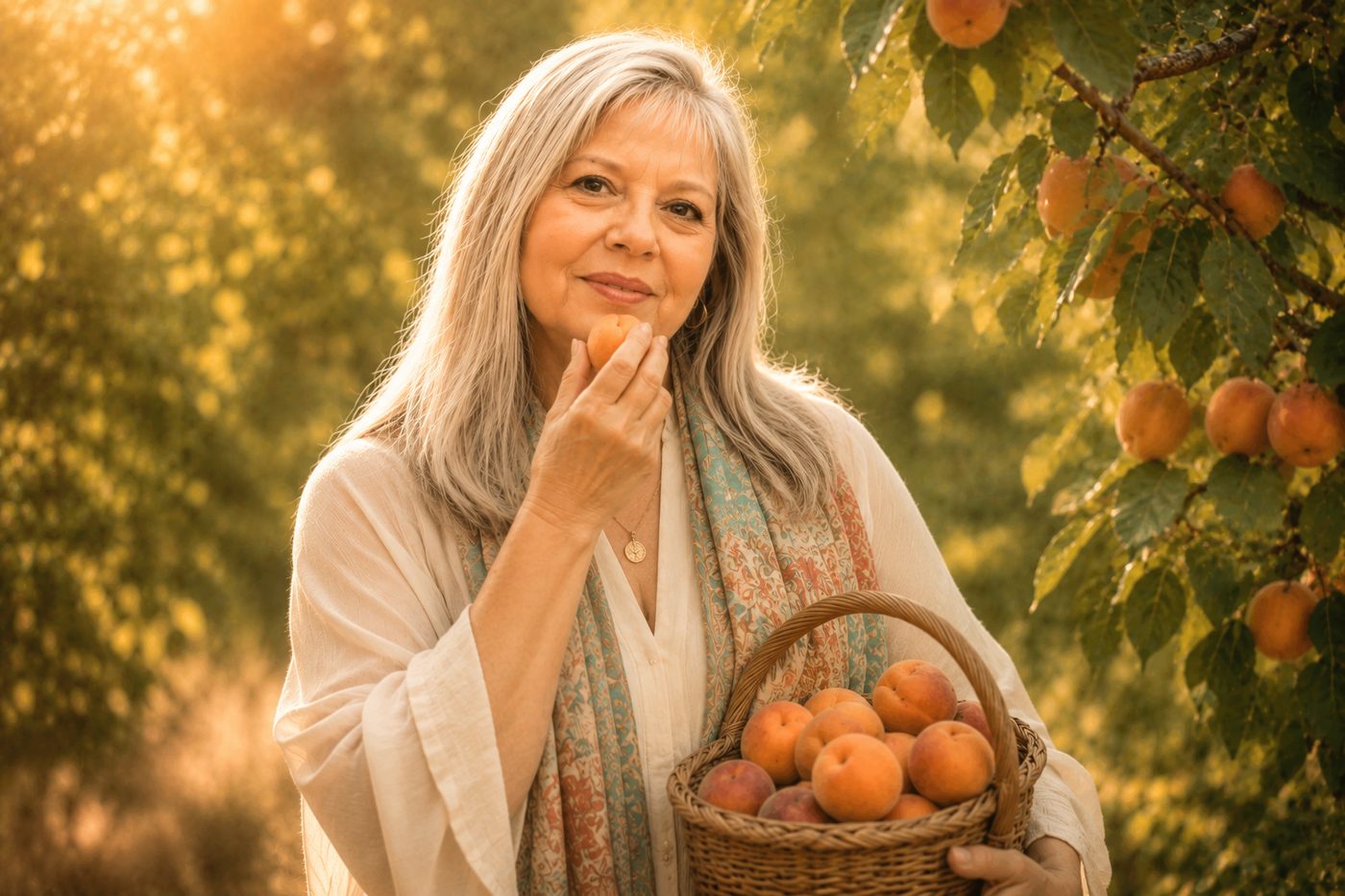
Because somewhere along the way, surviving replaced thriving, and a body that is busy surviving turns the volume down on feeling. The numbness isn't proof that joy is gone, and it isn't just what this age is. It's a setting, and it can soften. Nobody can argue you back to life. But something can still reach you.
I write for a woman I think about all the time. She has been numb for so long she can't remember there was ever anything to feel. Her life looks fine from the outside. Inside, everything went quiet years ago, and she is half convinced that's just what this age is.
If that woman is you, I want to tell you what I know.
Is numbness just part of getting older?
No. Numbness is a survival skill, and most of us earned it honestly.
Far too many times we have turned away from our aliveness in order to succeed at something that seemed more important. Surviving has replaced thriving, over and over, for years. Our brains know this. Our bodies know it too, and the bill shows up as flatness, fatigue, and a quiet that gets mistaken for peace.
A body that has practiced alarm for decades learns to turn the feeling down. It's the same trained wiring I've written about in What is the aging default?. So the quiet inside you isn't a verdict about your age or your capacity for joy. It's a setting. And settings can change.
Why can't I think my way back to joy?
A while back I heard a fascinating question: how would you describe gold to a woman who has been blind from birth?
You could talk about shine and warmth and wealth for an hour and get nowhere. Or you could put a ripe apricot in her hand and let her taste it.
One year I lived in a house with an apricot tree in the backyard, and I can tell you that a tree-ripened apricot is apricot-flavored sunshine, a solid little bit of the sun you can hold in your hand. You can't argue anyone into gold. The sweetness tells her, in the only language the body accepts.
Joy works the same way. Nobody is going to argue you back into your own aliveness. Not a book, not a program, not the friend with the perfect quote. Not even this page. You have to taste something.
So how does joy actually come back?
Not by straining for it. The tree doesn't strain toward sweetness. She stands in the light and receives. Sun, water, time. The sweetness is the overflow.
Scripture calls love, joy, and peace fruits of the Spirit (Galatians 5:22, if you ever want to find it), and I love that they are called fruits, because fruit has never once been manufactured. These states of being emerge from a heart that has been ripened. They take some tending. They cannot be forced.
I remember Eckhart Tolle saying that fruit is the plant kingdom's enlightenment. The apricot is not the tree straining. It is the tree arrived.
You don't have to strain to become gold. You ripen.
What if I can't feel anything at all right now?
I wrote the letter this page comes from on a morning when I couldn't feel any of it. The day before, an allergic reaction had shut my whole body down, and I sat down with my journal feeling exactly like the woman I described above, the one who can't reach the feeling.
This is what I wrote: "I know I have to turn toward the flame. It can't reach for me any more or any less than it always does."
So I turned. I didn't feel like it. I turned anyway. And what arrived was the memory of an apricot.
That's the thing about the sun. It doesn't need you to feel it to be shining on you. The turning is yours to do. The reaching was never your job.
So I'm not handing you a program. I'm handing you an apricot. One real, felt, sensory moment a day: a piece of ripe fruit eaten slowly, warmth on your face, your hand resting over your heart. Small enough to manage on a numb morning. That is how tasting starts again.
One more thing, from my social-work years. If the quiet has swallowed everything for a long time, that may be more than a setting. Numbness that deep deserves real companionship and care, a counselor, a doctor, a friend who will sit beside you. Reaching for that help is part of turning toward the light.
Frequently asked questions
Is losing the ability to feel joy a normal part of aging?
No. Numbness is what a nervous system learns after years of surviving instead of thriving. It's common in the third act of life, and it is not a life sentence at any age.
Why doesn't anything I try bring the feeling back?
Because joy doesn't return through argument or effort. Understanding is the mind's language, and joy speaks the body's. It comes back through small felt moments, tasted rather than achieved.
What is one small way to start feeling again?
Give your body one real sensory moment a day: a piece of ripe fruit eaten slowly, sun on your face, your hand over your heart. You aren't manufacturing sweetness; you're letting yourself be reached.
For the mornings that start numb
Seven free morning mini-resets, each one starting with your hand over your heart, five minutes or less. They're not a program, just a small taste of feeling to begin the day with.
Get the mini-resetsYou don't have to manufacture the sweetness. You just have to let yourself be ripened by the light.

Coach and author for women in the third act of life, holding faith and consciousness in the same hand. Master's in Social Work, degree in Psychology, HeartMath trained, and nearly five decades engaged with the science of change. She writes about outgrowing the aging default and coming home to a wholeness you already belong to. Meet Kristin